China Travel Safety & Common Scams: What Foreigners Need to Know (2026)
China is one of the safest countries in the world for travelers. Violent crime against tourists is extremely rare, streets are well-lit and monitored, and the overall crime rate is low compared to most Western destinations. That said, like any major travel destination, China has its share of tourist scams, petty theft in crowded areas, and situations where knowing what to do makes all the difference.
This guide covers everything you need to stay safe: common scams and how to avoid them, personal safety tips, emergency contacts, health precautions, and digital safety.
TL;DR: China is very safe physically. The main risks are tourist scams (tea ceremony scam, fake friend, overcharging) and digital issues (WiFi security, payment fraud). Stay aware in tourist areas, use official apps, and keep copies of your passport.
Overall Safety in China
Crime Statistics for Context
China ranks among the safest countries globally for travelers:
| Safety Indicator | China | USA | France | Thailand |
|---|---|---|---|---|
| Violent crime rate | Very Low | Moderate | Moderate | Moderate |
| Pickpocketing risk | Low-Moderate | Moderate | High | Moderate |
| Tourist scam prevalence | Moderate | Low | High | High |
| Street harassment | Very Low | Variable | Variable | Moderate |
| Night safety (major cities) | Very Safe | Variable | Variable | Moderate |
Why China Is Physically Safe
- Extensive surveillance: Cameras are everywhere — streets, malls, public transport. This deters crime effectively
- Strict gun control: Firearms are essentially nonexistent outside of law enforcement
- Active police presence: Police stations (派出所) are distributed throughout cities
- Cultural factors: Strong social norms against public confrontation and violence
- Low drug-related crime: Strict drug laws keep substance-related crime minimal
Common Tourist Scams in China
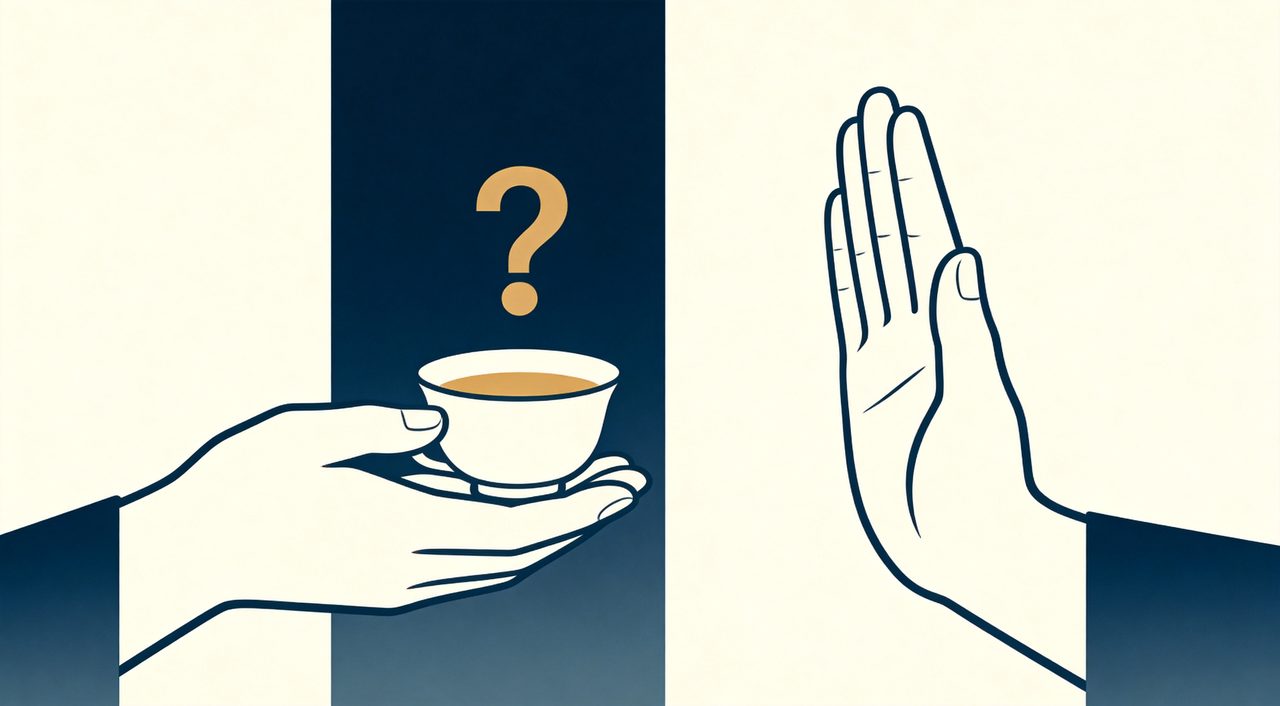
While violent crime is rare, tourist scams are the main safety concern for visitors. Here are the most common ones and how to handle them.
1. The Tea Ceremony Scam (茶道骗局)
How it works: A friendly local (often a well-dressed young person) approaches you at a tourist spot, strikes up a conversation in English, and invites you to a "traditional Chinese tea ceremony." They lead you to a nearby tea house where you enjoy tea and conversation. When the bill comes, it's ¥500–5,000+ and they expect you to split it.
Where: Beijing (Wangfujing, Qianmen), Shanghai (Nanjing Road), Xi'an (Muslim Quarter)
How to avoid:
- Politely decline invitations from strangers at tourist spots
- If you do go, agree on a price beforehand in writing
- If presented with an outrageous bill, refuse to pay and call the police (110)
- Legitimate tea houses have clear price menus
2. The "Fake Friend" / Art Student Scam
How it works: Similar to the tea ceremony scam. A young person claims to be an art student or English learner who wants to practice English with you. They invite you to a gallery opening, art exhibition, or bar. You end up facing a massive bill for overpriced drinks or "art purchases."
Where: Major tourist areas in Beijing, Shanghai, Xi'an
How to avoid:
- Be wary of unsolicited friendliness in tourist zones
- Never go to a specific venue recommended by a stranger
- Suggest meeting in a public chain café instead — if they're genuine, they'll agree
3. The Pearl Market / Silk Market Hustle
How it works: In markets like Beijing's Pearl Market or Shanghai's AP Plaza, vendors quote absurdly high prices (10–50x the real value). They use high-pressure tactics, fake "discounts," and emotional manipulation.
Where: Tourist markets nationwide
How to avoid:
- Research prices online before visiting markets
- Start counter-offers at 10–20% of the asking price
- Be prepared to walk away — this is your strongest negotiation tool
- Remember: if the deal seems too good, the item may be counterfeit
4. The Taxi Overcharge
How it works: Taxi drivers take longer routes, claim the meter is broken, or use rigged meters to inflate fares. This is especially common at airports and train stations.
Where: Airports, train stations, tourist areas
How to avoid:
- Use ride-hailing apps (DiDi) instead — fixed prices, no negotiation
- If taking a taxi, insist the driver uses the meter (打表, dǎbiǎo)
- Track the route on your phone's map app
- Get a receipt (发票, fāpiào) for every ride
5. The Fake Tour Guide
How it works: At major attractions like the Forbidden City or Terracotta Warriors, unofficial "guides" approach tourists offering guided tours. They may have fake badges or laminated "IDs." The tour quality is poor, and the price is inflated.
Where: Major tourist attractions
How to avoid:
- Only book guides through official channels (attraction ticket counters, reputable platforms)
- Check for official guide badges and licenses
- Book tours through established platforms
6. The "Broken Item" Scam
How it works: Someone bumps into you carrying a "valuable" item (tea set, electronics, artwork) that "breaks." They demand compensation. In another version, a vendor places an item in your hands and then claims you broke it.
Where: Crowded tourist areas, markets
How to avoid:
- Don't accept items from strangers
- Keep your hands in your pockets in crowded areas
- If accused, don't pay anything — call the police
7. The Restaurant Overcharge
How it works: A restaurant near a tourist spot has no prices on the menu, or has two menus (one with low prices for locals, one with inflated prices for tourists). When the bill comes, items are priced 5–10x higher than expected.
Where: Tourist areas, especially near attractions
How to avoid:
- Check review apps (Dianping) before choosing restaurants
- Ask for prices before ordering
- Choose restaurants with clear price displays
- Eat where locals eat — check if Chinese diners are present
8. The Accommodation Bait-and-Switch
How it works: A hotel or hostel shows beautiful photos online but the actual room is significantly worse. Some unlicensed guesthouses target foreigners specifically.
Where: All cities, especially near train stations
How to avoid:
- Book through reputable platforms with verified reviews
- Check recent reviews with photos from actual guests
- Stick to well-known hotel chains or highly-rated properties
Personal Safety Tips
General Precautions
- Copy your passport: Keep digital copies (photo on phone, email to yourself) and one physical photocopy separate from the original
- Know emergency numbers: Police 110, Ambulance 120, Fire 119
- Register with your embassy: Most embassies offer travel registration services
- Share your itinerary: Let someone know your daily plans
- Stay in well-lit areas at night: Chinese cities are generally safe at night, but basic caution applies
For Solo Travelers
China is exceptionally safe for solo travelers, including solo female travelers:
- Walking alone at night in major cities is generally safe
- Public transport is safe and well-monitored
- Hotels are required to register foreign guests — this provides an extra safety net
- Chinese people are generally helpful if you seem lost or confused
For Female Travelers
- Catcalling and street harassment are uncommon in China
- Women traveling alone are a common sight in Chinese cities
- Standard precautions apply: watch your drink, use hotel safes, be aware of surroundings
- In nightlife areas, stick to well-known bars and clubs
Digital Safety
Public WiFi
- Avoid public WiFi for financial transactions — hotel and café WiFi may not be secure
- Use your eSIM data for banking and payments instead
Payment Security
- Only use official Alipay and WeChat Pay apps (downloaded from official app stores)
- Never share payment passwords or verification codes
- Enable biometric authentication
- Check transaction history regularly
VPN and Internet
You'll need a VPN to access Google, WhatsApp, Instagram, and many Western services in China. Choose a reputable paid VPN — free VPNs may log your data.
<div class="affiliate-card" data-platform="airalo"> <a href="https://airalo.tpm.lv/2NOTngJA" target="_blank" rel="nofollow sponsored noopener noreferrer" class="affiliate-link" data-track-event="affiliate_click" data-track-platform="airalo" data-track-context="guide_article"> <span class="affiliate-icon">📱</span> <span class="affiliate-label">Get eSIM</span> <span class="affiliate-arrow">→</span> </a> <p class="affiliate-note">We may earn a commission. <a href="/affiliate-disclosure">Details</a></p> </div>Health and Medical Safety
Water and Food Safety
| Item | Safety Level | Notes |
|---|---|---|
| Tap water | ❌ Not safe to drink | Boil or buy bottled water |
| Bottled water | ✅ Safe | Widely available, very cheap |
| Street food | ✅ Generally safe | Choose stalls with high turnover |
| Restaurant food | ✅ Safe | Hot cooking kills most pathogens |
| Raw vegetables/salads | ⚠️ Caution | May have been washed in tap water |
| Ice in drinks | ⚠️ Caution | Made from tap water in some places |
Air Quality
Air quality varies significantly by city and season:
| City | Typical AQI | Best Months | Worst Months |
|---|---|---|---|
| Beijing | 50–200 | May–Oct | Nov–Feb (heating season) |
| Shanghai | 40–120 | Year-round moderate | Dec–Feb |
| Xi'an | 50–180 | Mar–Nov | Dec–Feb |
| Chengdu | 40–100 | Year-round moderate | Dec–Feb |
| Guilin | 30–80 | Year-round good | Rarely poor |
Recommendations:
- Check AQI apps before outdoor activities
- Bring an N95 mask for high-pollution days in northern cities
- Hotels with air purifiers are widely available
Pharmacies and Medicine
- Pharmacies (药店, yàodiàn) are common and well-stocked
- Many medicines available over the counter that require prescriptions elsewhere
- Staff may not speak English — have medicine names written in Chinese
- Bring essential prescription medications from home with a doctor's note
Travel Insurance
Travel insurance is strongly recommended. It covers medical emergencies, trip cancellations, lost luggage, and emergency evacuation.
<div class="affiliate-card" data-platform="safetywing"> <a href="https://safetywing.com/nomad-insurance?referenceID=26588247&utm_source=26588247&utm_medium=Ambassador" target="_blank" rel="nofollow sponsored noopener noreferrer" class="affiliate-link" data-track-event="affiliate_click" data-track-platform="safetywing" data-track-context="guide_article"> <span class="affiliate-icon">🛡️</span> <span class="affiliate-label">Travel Insurance</span> <span class="affiliate-arrow">→</span> </a> <p class="affiliate-note">We may earn a commission. <a href="/affiliate-disclosure">Details</a></p> </div>Emergency Contacts and Resources
Emergency Numbers
| Service | Number | English Support |
|---|---|---|
| Police | 110 | Limited — major cities have English operators |
| Ambulance | 120 | Limited |
| Fire | 119 | Limited |
| Traffic accident | 122 | Limited |
Embassy Assistance
Contact your country's embassy or consulate for:
- Lost or stolen passport (emergency travel documents)
- Serious legal issues
- Medical emergencies requiring evacuation
- Safety concerns
Useful Apps for Safety
| App | Purpose |
|---|---|
| DiDi | Ride-hailing (safer than street taxis) |
| Alipay | Payments + emergency services access |
| Baidu Maps | Navigation + nearby hospitals/police stations |
| Trip.com | Hotel booking + 24/7 English customer service |
| Google Translate / DeepL | Communication in emergencies |
Regional Safety Notes
Very Safe Cities
- Shanghai: One of the safest major cities in the world
- Hangzhou: Low crime, tourist-friendly
- Guilin/Yangshuo: Very safe, small-town feel
- Chengdu: Safe, welcoming to foreigners
Safe with Normal Caution
- Beijing: Very safe physically; watch for tourist scams near major attractions
- Xi'an: Safe; scam prevalence near Terracotta Warriors and Muslim Quarter
- Guangzhou: Safe; be cautious at wholesale markets
Areas to Research Before Visiting
- Remote western regions (Xinjiang, Tibet) — have extra documentation and check current travel advisories
- Border regions — some areas require special permits
What to Do If Something Goes Wrong
If You're Scammed
- Don't argue or get aggressive — stay calm
- Document everything — take photos, save receipts, note names/locations
- Call the police (110) — even if recovery seems unlikely, having a police report helps with insurance
- Contact your embassy if your passport is involved
- Leave a review on travel platforms to warn others
If You Lose Your Passport
- File a police report (required for replacement)
- Contact your embassy with the police report number
- Apply for an emergency travel document
- Take the document to the local exit-entry bureau for a new visa
If You Need Medical Help
- Call 120 for emergencies
- For non-emergencies, go to a hospital's international department (国际医疗部) in major cities
- Contact your travel insurance provider
- Keep all receipts and medical reports for insurance claims
Summary: Safety Quick Reference
| Situation | Action |
|---|---|
| Scam attempt | Walk away, don't pay, call 110 if pressured |
| Lost passport | Police report → Embassy → Exit-entry bureau |
| Medical emergency | Call 120 or go to international hospital |
| Taxi overcharge | Note plate number, call 12328 (transport hotline) |
| Overcharged at restaurant | Ask for itemized bill, refuse to pay unreasonable charges |
| Lost phone | Use Find My Phone, call police, contact embassy |
| Natural disaster | Follow local instructions, contact embassy |
China's safety record for tourists is excellent. The scams listed above are the main risk, and they're all avoidable with awareness and common sense. The vast majority of visitors to China have safe, enjoyable trips — the country's stability, infrastructure, and generally helpful population make it a stress-free destination for informed travelers.
Ready to plan your China trip?
Our free smart itinerary planner creates a personalized day-by-day plan based on your interests, schedule, and travel style.
Try Our Smart Itinerary Planner →This article may contain affiliate links. We may earn a commission at no extra cost to you. Learn more