China High-Speed Train Booking Guide for Foreigners (2026)
China operates the world's largest high-speed rail network — over 45,000 kilometers of track connecting every major city and most mid-size ones. Trains regularly run at 300–350 km/h, making them faster than flying for distances under 800 km when you factor in airport check-in and transit time.
For first-time visitors, booking Chinese train tickets can seem daunting. The official platform is in Chinese, seat classes are unfamiliar, and the booking process has quirks that catch foreigners off guard. This guide demystifies everything.
TL;DR: Use Trip.com for the easiest English booking experience (small booking fee). For the cheapest tickets, use China's official 12306.cn/app (requires some Chinese). Book 15 days in advance for popular routes. Second class is the best value for most travelers.
Why Take the Train in China?
Speed and Convenience
| Route | Flight Time (total) | High-Speed Train | Winner |
|---|---|---|---|
| Beijing → Shanghai | ~4.5h (with airport) | 4h18m direct | 🚄 Train |
| Beijing → Xi'an | ~4h (with airport) | 4h11m direct | 🚄 Train |
| Shanghai → Hangzhou | ~3h (with airport) | 1h direct | 🚄 Train |
| Guangzhou → Chengdu | ~5h (with airport) | 7h30m | ✈️ Flight |
| Shanghai → Beijing | ~4.5h (with airport) | 4h18m | 🚄 Train |
Other Advantages
- City center to city center — no expensive airport transfers
- No baggage limits — bring as much luggage as you can carry
- Scenic routes — see countryside you'd miss at 30,000 feet
- Punctual — Chinese trains are on time over 95% of the time
- Comfortable — more legroom than airplanes, ability to walk around
- Eco-friendly — trains produce a fraction of aviation's carbon emissions
Understanding Train Types
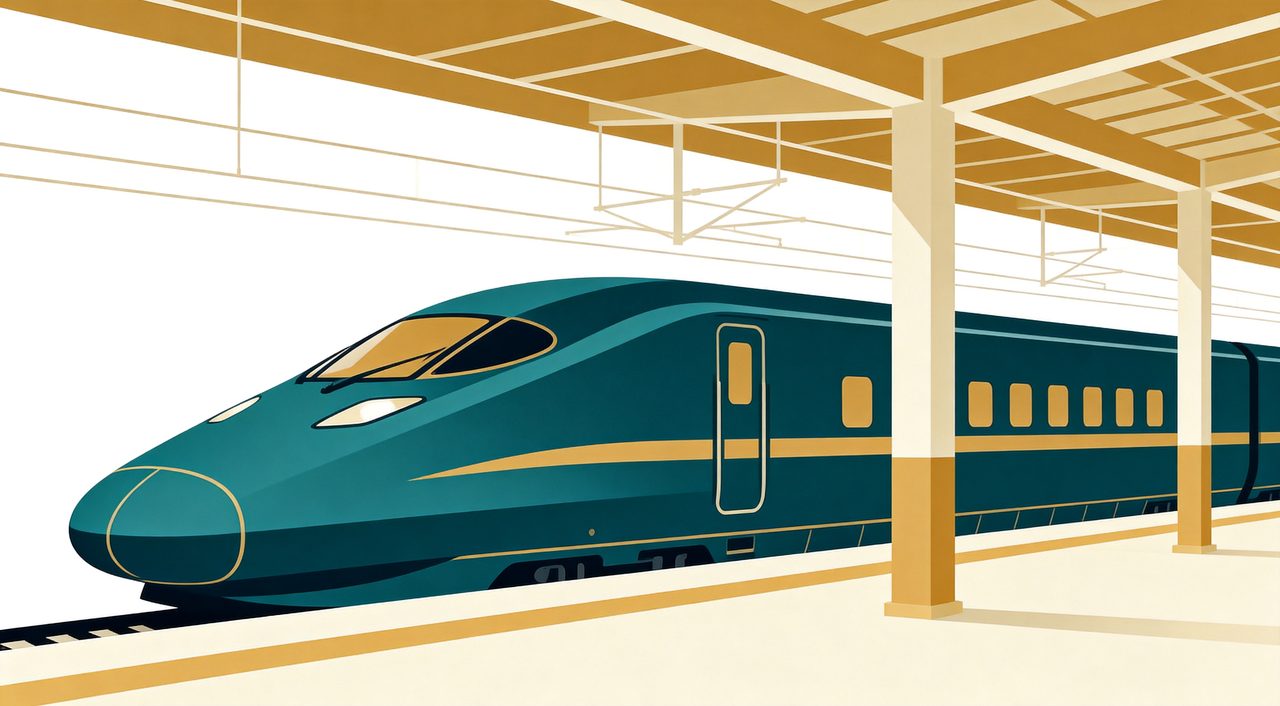
China's rail system has several train categories. The ones you'll encounter most:
| Train Prefix | Chinese Name | Speed | Example Route | Notes |
|---|---|---|---|---|
| G (高铁) | Gāotiě | 300–350 km/h | Beijing→Shanghai in 4h18m | Fastest, most expensive |
| D (动车) | Dòngchē | 200–250 km/h | Kunming→Dali in 2h | Good value, slightly slower |
| C (城际) | Chéngjì | 200–350 km/h | Beijing→Tianjin in 30min | Intercity short routes |
| Z (直达) | Zhídá | 160 km/h | Beijing→Guangzhou overnight | Non-stop overnight sleepers |
| T (特快) | Tèkuài | 140 km/h | Various | Conventional express |
| K (快速) | Kuàisù | 120 km/h | Various | Budget conventional |
Stick to G, D, and C trains for the high-speed experience. Z trains are worth considering for overnight sleeper routes.
Seat Classes Explained
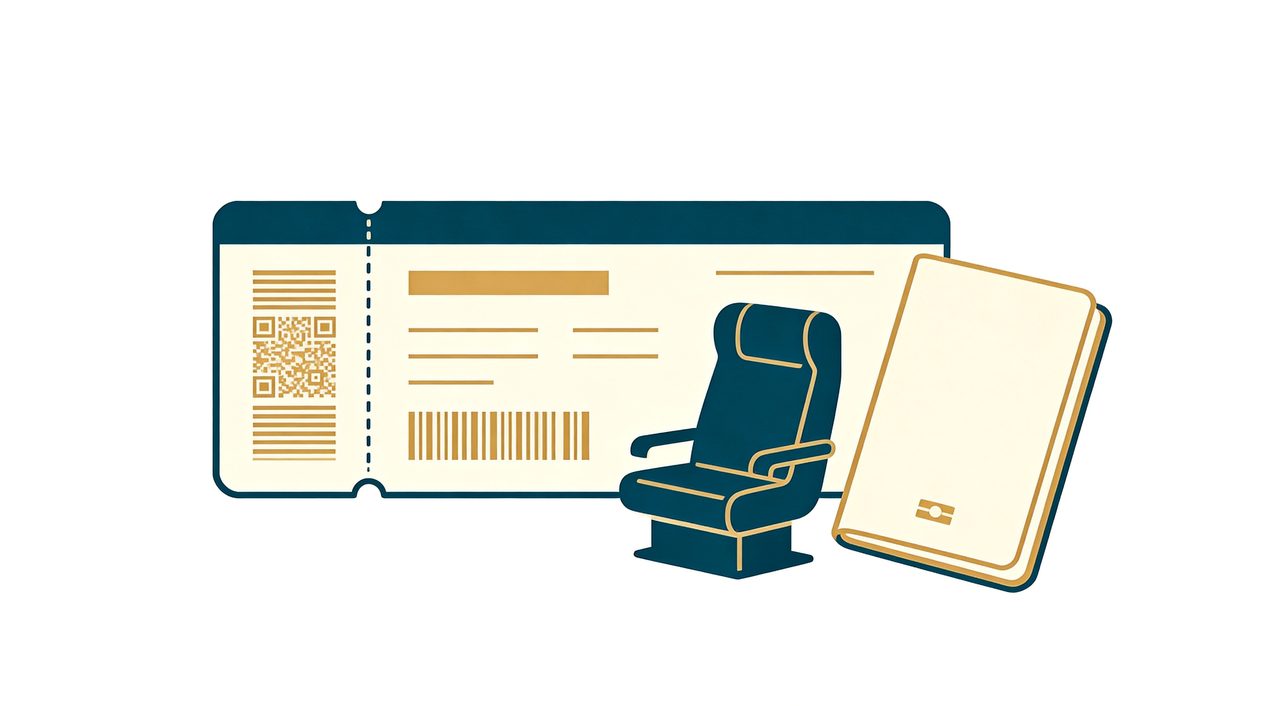
High-Speed Trains (G/D/C)
| Class | Chinese | Configuration | Price (Beijing→Shanghai) | Comfort Level |
|---|---|---|---|---|
| Second Class | 二等座 | 3+2 seats | ¥553 (~$77) | Good — like economy plus |
| First Class | 一等座 | 2+2 seats | ¥933 (~$130) | Great — wider seats, more legroom |
| Business Class | 商务座 | 1+2 or 2+1 | ¥1,748 (~$244) | Luxury — lie-flat seats, meals included |
| Standing | 无座 | N/A | Same as 2nd class | Not recommended for long trips |
Overnight Trains (Z/T/K)
| Class | Chinese | Configuration | Notes |
|---|---|---|---|
| Hard Seat | 硬座 | Upright seats | Budget but uncomfortable overnight |
| Hard Sleeper | 硬卧 | Open bunks (3 tiers) | 6 bunks per bay, budget-friendly |
| Soft Sleeper | 软卧 | Enclosed bunks (2 tiers) | 4 bunks per compartment, much more comfortable |
| Deluxe Soft Sleeper | 高级软卧 | 2-person suite | Private, with sitting area |
Recommendation: For trips under 5 hours, second class is perfectly comfortable. For 5+ hours, consider first class. For overnight journeys, soft sleeper is worth the upgrade.
How to Book Train Tickets
Option 1: Trip.com (Recommended for Foreigners)
Trip.com (formerly Ctrip) is the easiest way for foreigners to book Chinese train tickets. It has a full English interface, accepts foreign credit cards, and delivers e-tickets directly.
<div class="affiliate-card" data-platform="klook"> <a href="https://klook.tpm.lv/1D15UnzD" target="_blank" rel="nofollow sponsored noopener noreferrer" class="affiliate-link" data-track-event="affiliate_click" data-track-platform="klook" data-track-context="guide_article"> <span class="affiliate-icon">🎫</span> <span class="affiliate-label">Book on Klook</span> <span class="affiliate-arrow">→</span> </a> <p class="affiliate-note">We may earn a commission. <a href="/affiliate-disclosure">Details</a></p> </div>Step-by-step:
- Go to Trip.com → Trains section
- Enter departure city, arrival city, and date
- Browse available trains (sorted by departure time)
- Select your train and seat class
- Enter passenger details (passport number required)
- Pay with credit card, Apple Pay, or other methods
- Receive e-ticket confirmation via email
Booking fee: Trip.com charges a small service fee (~¥20-50 per ticket) but saves you the hassle of navigating Chinese-language platforms.
<div class="affiliate-card" data-platform="booking"> <a href="https://www.booking.com/searchresults.html?ss=China&aid=chinawiseai_booking" target="_blank" rel="nofollow sponsored noopener noreferrer" class="affiliate-link" data-track-event="affiliate_click" data-track-platform="booking" data-track-context="guide_article"> <span class="affiliate-icon">🏨</span> <span class="affiliate-label">Find Hotels</span> <span class="affiliate-arrow">→</span> </a> <p class="affiliate-note">We may earn a commission. <a href="/affiliate-disclosure">Details</a></p> </div>Option 2: China Railway 12306 (Official — Cheapest)
The official China Railway platform is the cheapest option (no booking fees) but requires more effort:
Website: 12306.cn (Chinese only, limited English) App: "铁路12306" — available in English
Steps:
- Register an account with your email
- Complete identity verification (passport)
- Search trains by date and route
- Select train and seat class
- Add passenger details
- Pay via Alipay or WeChat Pay (foreign card linked)
Tip: The 12306 app's English version is functional but occasionally has translation issues. If you get stuck, switch to Chinese and use a translation app.
Option 3: At the Station
You can buy tickets at any train station's ticket office. Bring your passport — it's required for all ticket purchases.
Pros: Pay in cash if needed, staff can help with complex queries Cons: Queues can be long, limited English support, popular routes may be sold out
<div class="affiliate-card" data-platform="airalo"> <a href="https://airalo.tpm.lv/2NOTngJA" target="_blank" rel="nofollow sponsored noopener noreferrer" class="affiliate-link" data-track-event="affiliate_click" data-track-platform="airalo" data-track-context="guide_article"> <span class="affiliate-icon">📱</span> <span class="affiliate-label">Get eSIM</span> <span class="affiliate-arrow">→</span> </a> <p class="affiliate-note">We may earn a commission. <a href="/affiliate-disclosure">Details</a></p> </div>When to Book
Booking Windows
| Train Type | Advance Booking Window |
|---|---|
| G/D/C trains | 15 days before departure |
| Z/T/K trains | 15 days before departure |
| Intercity (C) | Usually 15 days, sometimes less |
Best Times to Book
- Book exactly 15 days out for popular routes (Beijing→Shanghai, Shanghai→Hangzhou)
- Morning departures sell out fastest — book these first
- Friday evenings and Sunday afternoons are peak travel times
- Chinese holidays (see below) sell out within minutes
Dates to Avoid (or Book Immediately)
| Holiday | Dates | Impact on Train Travel |
|---|---|---|
| Chinese New Year | Late Jan/Feb (varies) | Extreme — all routes packed for 2+ weeks |
| National Day | Oct 1–7 | Very heavy — book the second tickets open |
| Labor Day | May 1–5 | Heavy — popular routes sell out fast |
| Dragon Boat Festival | June (varies) | Moderate — 3-day rush |
| Mid-Autumn Festival | Sept/Oct (varies) | Moderate — 3-day rush |
Popular Routes and Prices
Here are the most popular routes for foreign travelers with approximate prices (second class):
| Route | Distance | Duration | Price (2nd) | Frequency |
|---|---|---|---|---|
| Beijing → Shanghai | 1,318 km | 4h18m–6h | ¥553 | Every 10–20 min |
| Beijing → Xi'an | 1,216 km | 4h11m–5h20m | ¥515 | Every 30–60 min |
| Shanghai → Hangzhou | 169 km | 45min–1h15m | ¥73 | Every 5–10 min |
| Shanghai → Nanjing | 301 km | 1h20m–2h | ¥135 | Every 10–15 min |
| Guangzhou → Shenzhen | 147 km | 30min–1h | ¥75 | Every 5–10 min |
| Chengdu → Chongqing | 308 km | 1h15m–2h | ¥135 | Every 15–30 min |
| Xi'an → Chengdu | 658 km | 3h15m–4h | ¥263 | Every 30–60 min |
| Kunming → Dali | 330 km | 2h–2h30m | ¥145 | Every 30–60 min |
At the Station: What to Expect
Before Boarding
- Arrive 30–45 minutes early — Chinese stations are large and security checks take time
- Security check — all luggage goes through X-ray (like airports)
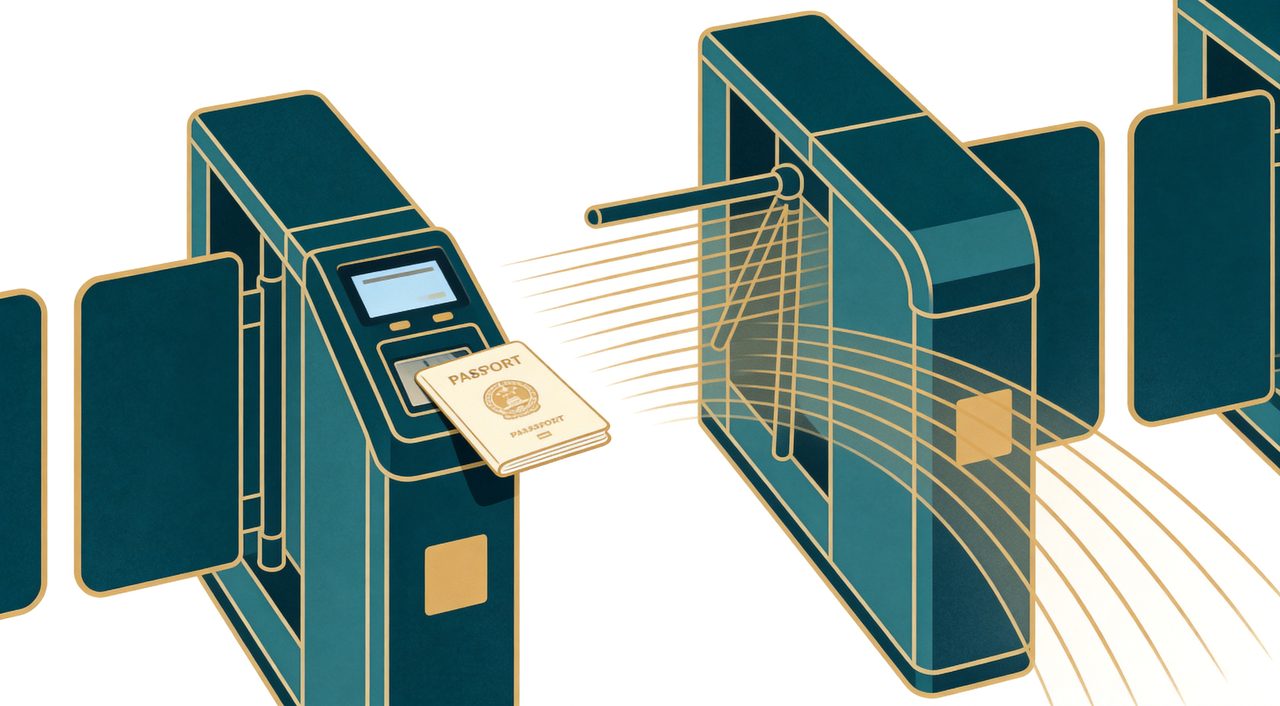
- ID check — show your passport at the manual verification lane (automatic gates don't read foreign passports)
- Find your gate — large departure boards show gate numbers (updated 30 min before departure)
- Wait for boarding — boarding starts 15 min before departure, gates close 3–5 min before
On the Train
- Food and drinks: Attendants push carts through the aisles. You can also order via the 12306 app for delivery to your seat at major stations
- Charging: Power outlets under every seat (G/D trains); USB ports on newer trains
- WiFi: Available on most G trains but can be spotty — have a backup eSIM with data
Arriving
- Announcements are made in Chinese and English
- Have your ticket/ID ready for exit checks
- Follow signs to metro, taxi, or bus connections
Tips for a Smooth Train Journey
1. Download Offline Entertainment
While WiFi exists, it's unreliable. Download movies, podcasts, and maps before your trip.
<div class="affiliate-card" data-platform="airalo"> <a href="https://airalo.tpm.lv/2NOTngJA" target="_blank" rel="nofollow sponsored noopener noreferrer" class="affiliate-link" data-track-event="affiliate_click" data-track-platform="airalo" data-track-context="guide_article"> <span class="affiliate-icon">📱</span> <span class="affiliate-label">Get eSIM</span> <span class="affiliate-arrow">→</span> </a> <p class="affiliate-note">We may earn a commission. <a href="/affiliate-disclosure">Details</a></p> </div>2. Bring Snacks
Train food is overpriced and mediocre. Stock up at convenience stores before boarding.
3. Download the Right Apps
| App | Purpose |
|---|---|
| 12306 | Official booking and train status |
| Trip.com | English booking (alternative) |
| Baidu Maps | Navigate at your destination |
| Translate app | Communicate with staff |
4. Luggage Tips
- No weight limit on high-speed trains (within reason)
- Large bags go in the overhead rack or behind the last row of seats
- Valuables stay with you — don't leave bags unattended
- Consider a small lock for overnight sleeper compartments
5. Seat Selection Tips
- Window seats (A/F) offer views but you're trapped when neighbors need out
- Aisle seats (C/D) offer more freedom to move
- Row 1 and last row have extra legroom in some configurations
- Seats face forward on one side and backward on the other — you can't choose direction
6. Connecting to Metro
Most major train stations connect directly to city metro systems. Follow signs for "Metro" or "Subway" after exiting.
<div class="affiliate-card" data-platform="klook"> <a href="https://klook.tpm.lv/1D15UnzD" target="_blank" rel="nofollow sponsored noopener noreferrer" class="affiliate-link" data-track-event="affiliate_click" data-track-platform="klook" data-track-context="guide_article"> <span class="affiliate-icon">🎫</span> <span class="affiliate-label">Book on Klook</span> <span class="affiliate-arrow">→</span> </a> <p class="affiliate-note">We may earn a commission. <a href="/affiliate-disclosure">Details</a></p> </div>Refunds and Changes
Change Policy
| When | Fee |
|---|---|
| More than 48h before departure | Free |
| 24–48h before departure | 5% of ticket price |
| Less than 24h before departure | 10% of ticket price |
| After departure | Cannot change |
Refund Policy
Same fee structure as changes. Refunds go back to the original payment method — foreign card refunds can take 7–15 business days.
Pro tip: If you're unsure about your plans, book refundable tickets and change them later rather than risking a no-show.
Summary: Quick Booking Checklist
| Step | Action | When |
|---|---|---|
| 1 | Get travel eSIM with data | Before trip |
| 2 | Register on Trip.com or 12306 | 1 month before |
| 3 | Check route availability | 15 days before (when booking opens) |
| 4 | Book tickets | ASAP after booking opens for popular routes |
| 5 | Download offline entertainment | Day before |
| 6 | Arrive at station 45 min early | Day of travel |
| 7 | Bring passport (required!) | Day of travel |
China's high-speed rail system is a marvel of modern engineering and one of the best ways to experience the country. With a little preparation, booking and riding trains becomes second nature — and the journeys themselves become some of your most memorable travel moments.
Ready to plan your China trip?
Our free smart itinerary planner creates a personalized day-by-day plan based on your interests, schedule, and travel style.
Try Our Smart Itinerary Planner →This article may contain affiliate links. We may earn a commission at no extra cost to you. Learn more